

Jackson & Perkins Rosarian Reveals the Best Roses for Zone 7’s Expanding Growing Season
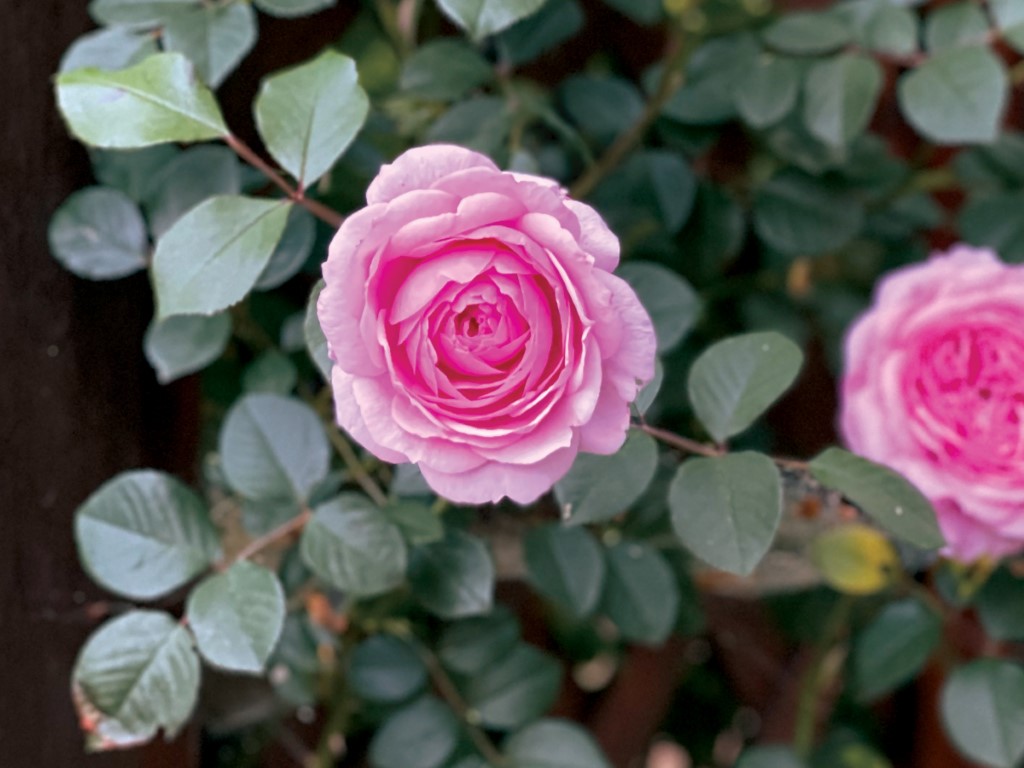
Oxford Girl Climbing Rose
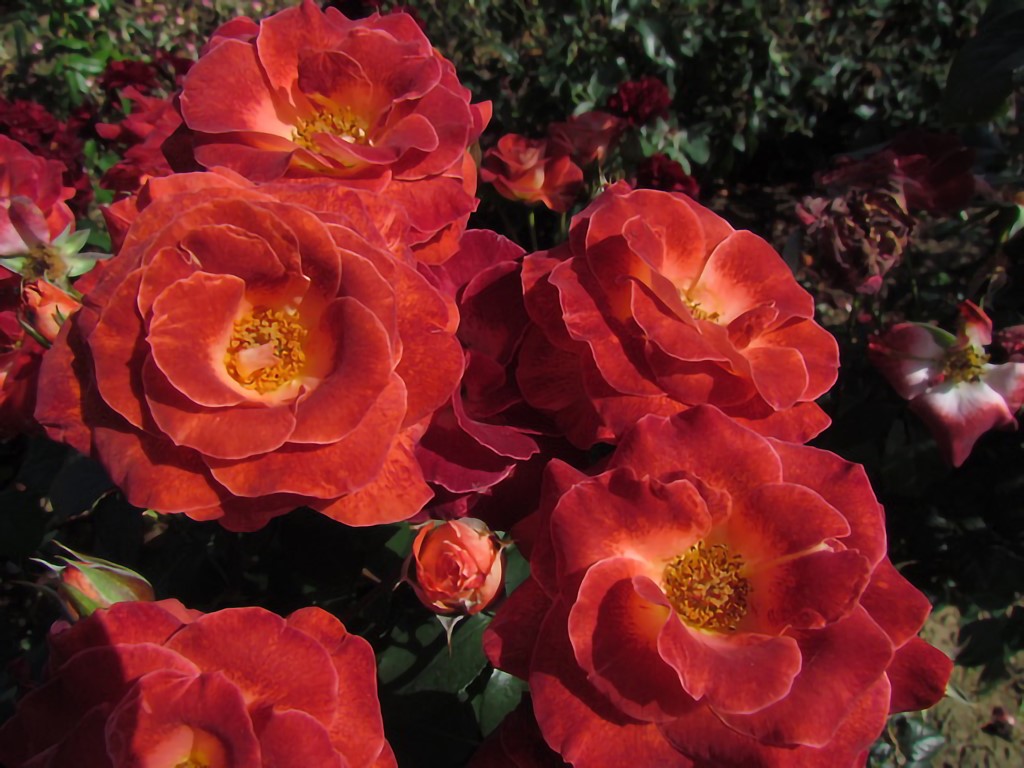
Mysterious Floribunda Rose
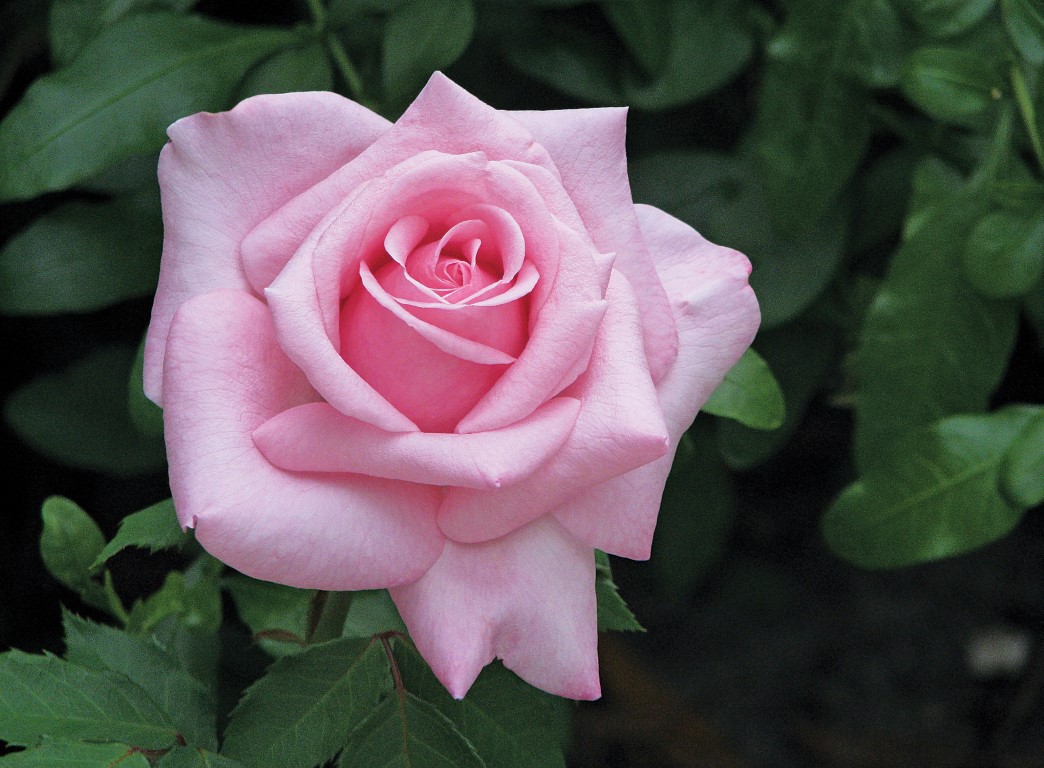
Belinda's Dream Shrub Rose
Jackson & Perkins rosarian Wes Harvell on the expanding Zone 7 growing season and the roses bred to handle every long, humid, beautiful month of it.
You want roses that can handle the full arc of the season, not just the first bloom”
GREENWOOD, SC, UNITED STATES, April 30, 2026 /EINPresswire.com/ -- In USDA Zone 7, spring doesn’t knock gently. It arrives with a bang in the Carolinas, Virginia, Tennessee, and the Pacific Northwest.— Wes Harvell, Jackson & Perkins
That’s always been the gift of growing in Zone 7: a generous growing season that often lingers when others don’t. But there is a shift. Last frost dates are trending earlier, while warm soil temperatures are arriving sooner and lingering longer into fall. Planting conditions in many areas are now arriving weeks before they did a decade ago. And the gardeners paying attention are making the most of every extra day.
“Zone 7 used to mean you had a good head start on the rest of the country,” explains Wes Harvell, rosarian with Jackson & Perkins. “Now it means something closer to a year-round opportunity – but one that comes with more heat, humidity, and plants that need to perform across the full arc of the season, not just a perfect April morning. The gardeners who recognize that are the ones getting ahead of the season.”
Spring Is Growing on Both Ends
Zone 7 has always offered a relatively long growing season, but recent climate patterns are pushing it further. In many areas, gardeners are now seeing 200 or more frost-free days, with soil temperatures at planting depth warming earlier in the year and staying there longer into fall.
The results are showing up in gardens before many gardeners are ready for them. Hellebores, crocus, flowering bulbs, and flowering trees are emerging in late winter. Roses, traditionally planted in late April, are establishing strongly weeks sooner. And fall color is genuinely stretching toward November in a way that feels new.
The complication is that Zone 7's version of climate unpredictability runs warmer than its northern neighbors. Warm early spells can push growth too quickly, leaving plants vulnerable to sudden cold snaps. Late frosts are less frequent but still occur, and they can arrive suddenly after weeks of mild weather. Add in increasing humidity swings, and Zone 7 gardeners are managing not just a longer season, but a more complex one.
“You want roses that can handle the full arc of the season, not just the first bloom,” Harvell explains. “In Zone 7, the test isn't whether a plant survives winter – it's whether it's still performing in August.”
What to Plant
Harvell’s approach for Zone 7 in 2026: plant for the whole season. Disease resistance matters more here than in cooler zones, where lower humidity limits fungal pressure. Heat tolerance isn't optional; it's the price of entry for a rose that will still be blooming in September.
His picks for this season, from the Jackson & Perkins collection:
Roses
• Oxford Girl Climbing Rose. This vigorous grower has arching canes reaching 10 feet tall and 4 feet wide. Its 3-inch double flowers have 26-40 pink petals that bloom repeatedly throughout the season, from late spring to late fall, and its strong fragrance gives an added bonus to the garden. This versatile rose can be grown on trellises, poles, arches, pillars, and along fences or walls, and its disease resistance makes it a great option for novice gardeners.
https://www.jacksonandperkins.com/oxford-girl-climbing-rose/p/29651/
• Mysterious Floribunda Rose. This charming floribunda is perfect for small spaces and patio pots with its compact and upright growth habit. Mysterious blooms abundantly throughout the season, from late spring until late fall, with 3-inch semidouble flowers, featuring 9 to 16 russet brown petals and a cream center, borne in small clusters. They are mildly fragrant and perfect for use in bouquets and floral arrangements.
https://www.jacksonandperkins.com/mysterious-floribunda-rose/p/v2682/
• Belinda’s Dream Shrub Rose. Belinda’s Dream is a lavish, over-the-top fragrant beauty of soft pink with an old-fashioned habit, petal-packed hybrid tea bloom form, and disease-resistance foliage that stand up to the worst summer heat and humidity. These 4-inch blooms are packed with petals so much so that you’ll want to call them triple-flowered. They last a long time in a garden or vase, and they keep coming in flushes all summer.
https://www.jacksonandperkins.com/belindas-dream-shrub-rose/p/v2493/
Companion Plants
• Muhlenbergia Pink Muhly Grass. These giant, cotton-candy pink puffballs of native grass make such a statement in the garden and make for a great companion to roses. They form a nice little hedge, edging, or middle-of-the-border ribbon of color from spring through summer. It reaches 4 feet high and 3 feet wide, with a nicely cascading, fountainous habit of foliage and fanned out, unbelievably profuse blooms. It can also be used in indoor arrangements as a bright filler.
https://www.jacksonandperkins.com/muhlenbergia-capillaris-pink-muhly-grass/p/v2029/
• ‘Major Wheeler’ Honeysuckle. This red-flowered honeysuckle is both beautiful and versatile, and hummingbirds and butterflies are drawn to it. It is equally inclined to climb as a vine, mound up, or stretch along the garden floor. Each long, slender, trumpet-shaped bloom is a radiant shade of red with yellow tips and interiors. Blooms appear in large dangling clusters, beginning in late spring and lasting through the summer, standing out brilliantly against the dark foliage.
https://www.jacksonandperkins.com/major-wheeler-honeysuckle/p/41292/
• Hemerocallis ‘Buttered Popcorn’. This daylily looks like a lemon tart with leaves, with its butter yellow blooms and lovely aroma in the garden or in a cut flower arrangement. Blooms begin in early summer and don’t stop until the middle of fall inviting butterflies and hummingbirds as it shines throughout the season. Its stems are slender and leafless and what foliage it does present is grassy and unobtrusive, serving to enhance the beauty of its blooms.
https://www.jacksonandperkins.com/hemerocallis-buttered-popcorn/p/27482/
Three Things Worth Doing Differently This Season
• Plant in late March, and mulch immediately. Zone 7 planting can now begin as early as late March in many areas, well ahead of traditional timelines. Getting roses and perennials established before the first heat wave arrives gives them a measurable advantage. Mulch deeply right after planting — three inches helps regulate soil temperature and retain moisture through summer in ways that matter.
• Think past spring when you're choosing varieties. The longer season is an opportunity only if your plants survive it. In Zone 7, the question to ask about any rose isn't just 'will it bloom in April', it's 'will it still look good in August?' Disease resistance and heat tolerance aren't premium features; they're requirements.
• Don't skip fall planting. Zone 7's extended season runs both directions. Planting in September and October takes advantage of warm soil and cool air temperatures, ideal conditions for root establishment, and sets plants up to emerge stronger the following spring. Many Zone 7 gardeners are still not fully taking advantage of this window.
As Zone 7 continues to evolve, gardeners are finding themselves with more opportunities than ever before, but also more variables to manage. The longer season rewards those who are willing to shift their timing, rethink old habits, and plant with resilience in mind.
With the right approach, 2026 is shaping up to deliver earlier blooms, longer color, and gardens that perform from the first signs of spring straight through fall.
Jackson and Perkins Park Acquisitions, Inc. is a portfolio of hobbyist brands with a long history of providing consumers, wholesalers, and resellers with branded roses, plants, seeds, horticultural supplies, period-based home restoration products, and home brewing equipment. Originally catalog and direct-mail companies, these brands have evolved into successful e-commerce retailers. The company operates a 100-acre property with a nursery and distribution facility in Greenwood, South Carolina, and its executive office is located in Edina, Minnesota. Visit www.jpparkinc.com for more information.
Katie Dubow
Garden Media Group
+1 610-444-3040
email us here
Legal Disclaimer:
EIN Presswire provides this news content "as is" without warranty of any kind. We do not accept any responsibility or liability for the accuracy, content, images, videos, licenses, completeness, legality, or reliability of the information contained in this article. If you have any complaints or copyright issues related to this article, kindly contact the author above.
